
Services
Emergency and crisis management
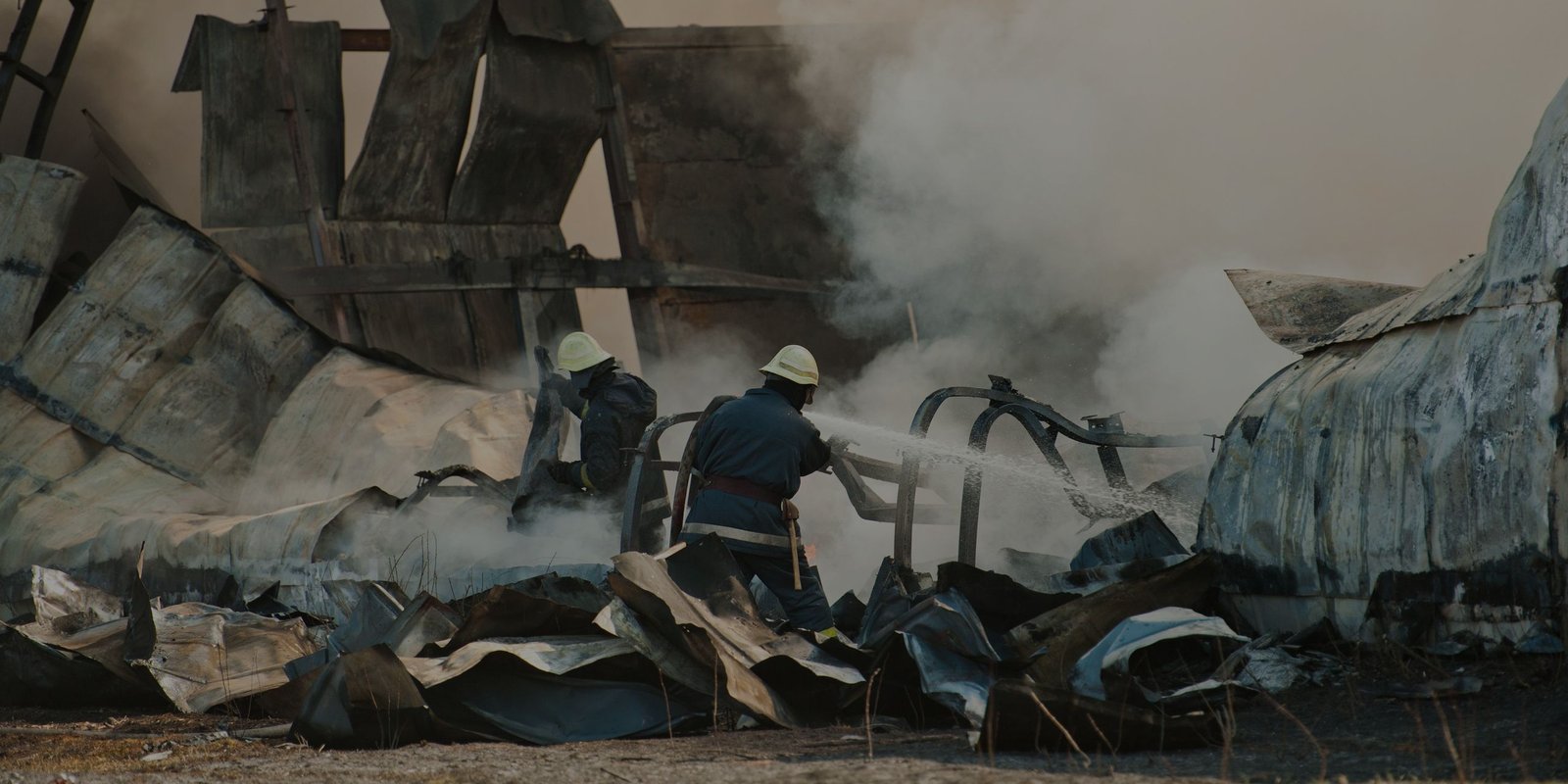
AeroXpert Consulting prepares leadership before a crisis develops into an unmanaged event. A crisis does not arrive as a single moment. It develops. If it is not managed, it can become a disaster. Thorough preparation is the best protection, and the organisation should come out of the event able to continue.
Everyday processes are a poor substitute. They assume the right people are available, that information is already shared, and that someone has the authority to speak. None of that is reliable in the first hour.
What preparation covers
Preparation starts with the threats that would stop normal operations or put people at risk. From that, AeroXpert names the roles and the communication path, then writes a plan that matches the culture of the organisation and trains the people who will use it. An exercise shows what the plan missed.
-
01
Threat picture
A clear picture of the threats that would stop normal operations or put people at risk.
-
02
Named roles
Roles for decision, care of people affected, and contact with rescue services.
-
03
Communication
A path for staff, families, authorities, and the media.
Where to start
Questions worth answering now
- 01Which threats would stop normal operations or put people at risk?
- 02Who decides, who cares for the people affected, and who meets the rescue services?
- 03Who speaks to staff, families, authorities, and the media?
If any answer is no, that gap is the work. Describe how the organisation runs, and we will tell you what still has to be set. When an event is already underway, experienced crisis managers and management-level crisis communication can be arranged for that assignment.
Contact AeroXpert ConsultingOther services
The rest of the consulting practice
 Plans
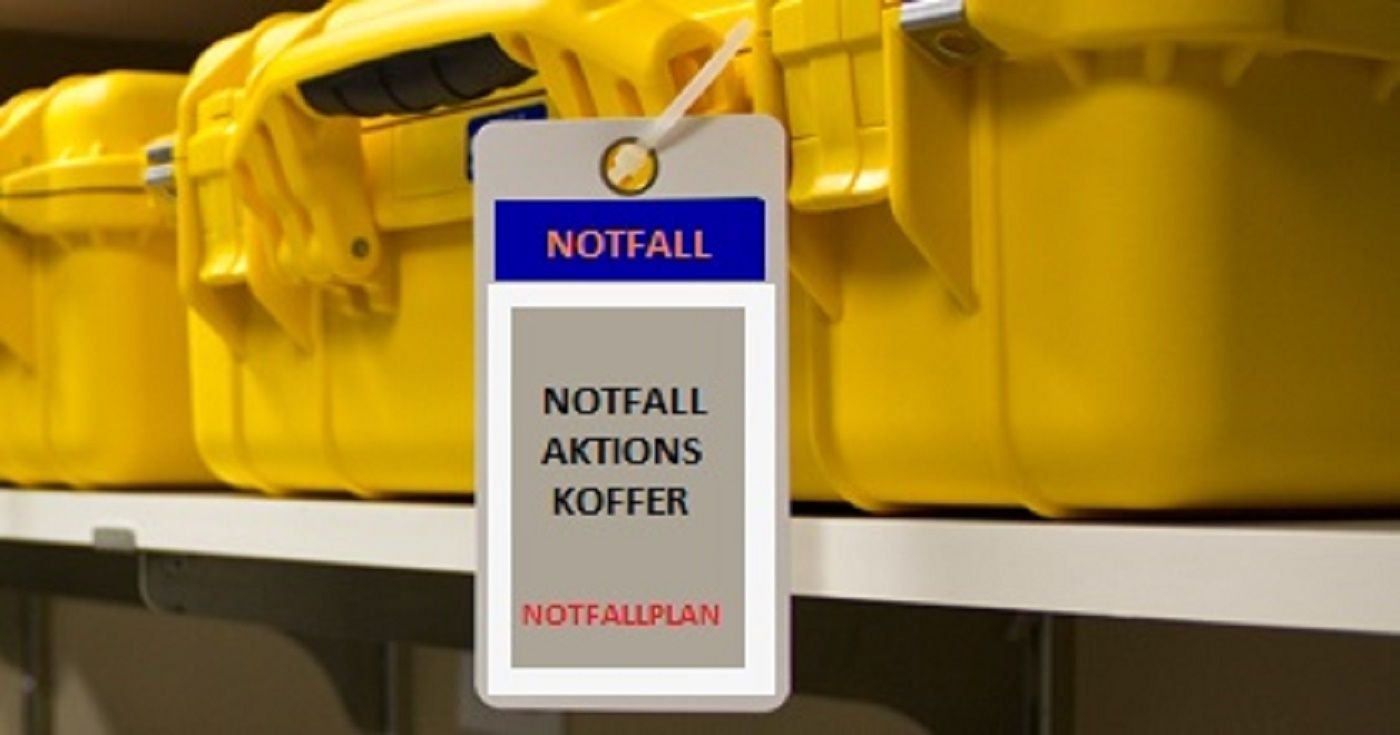
Emergency and alarm plans
A plan written for the people who will use it, including who decides, who speaks, and the interface with rescue services.
 Exercises
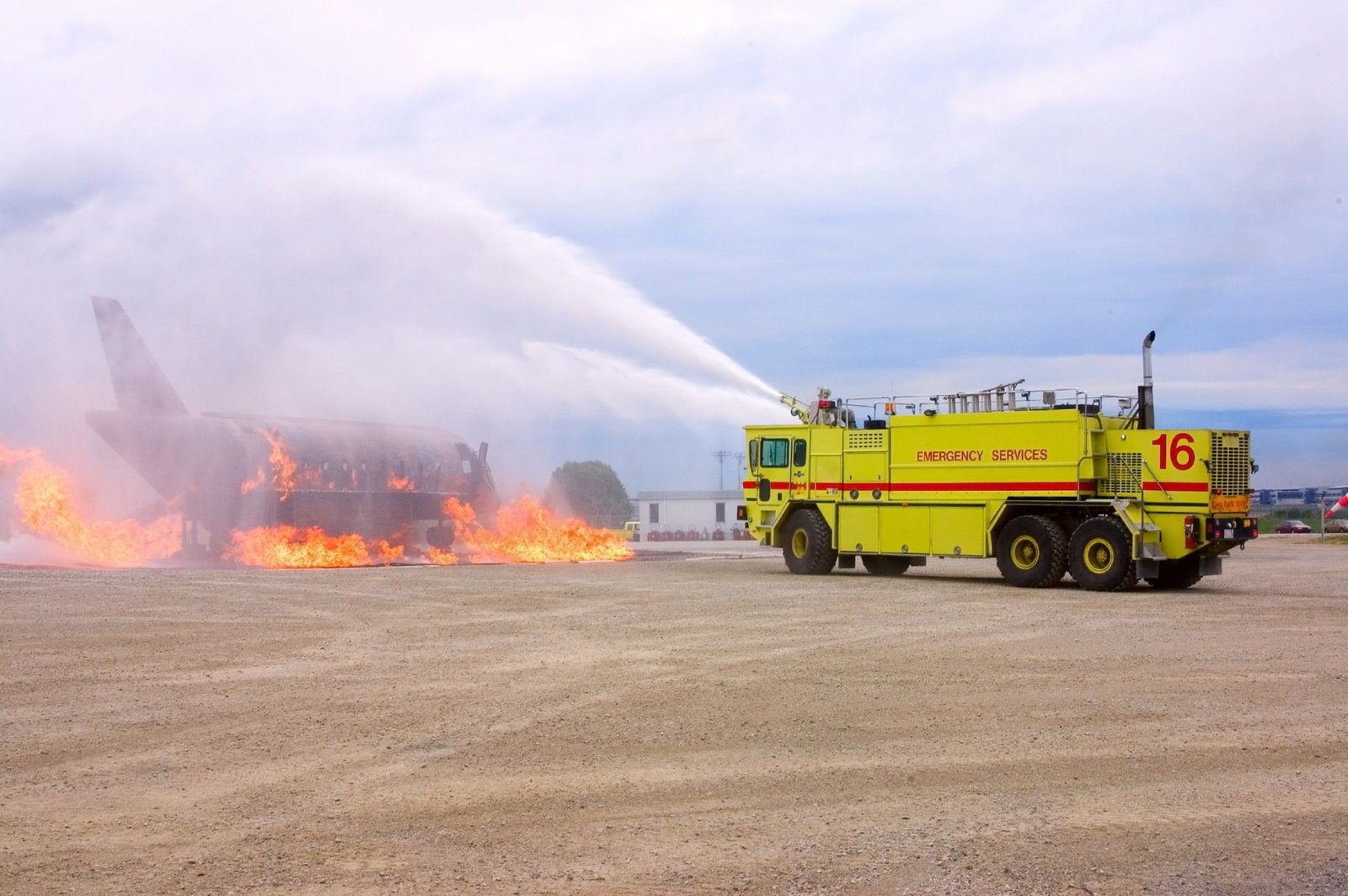
Emergency and crisis preparation
A realistic exercise shows whether the plan holds, and where it does not, before a real event does.
 Safety
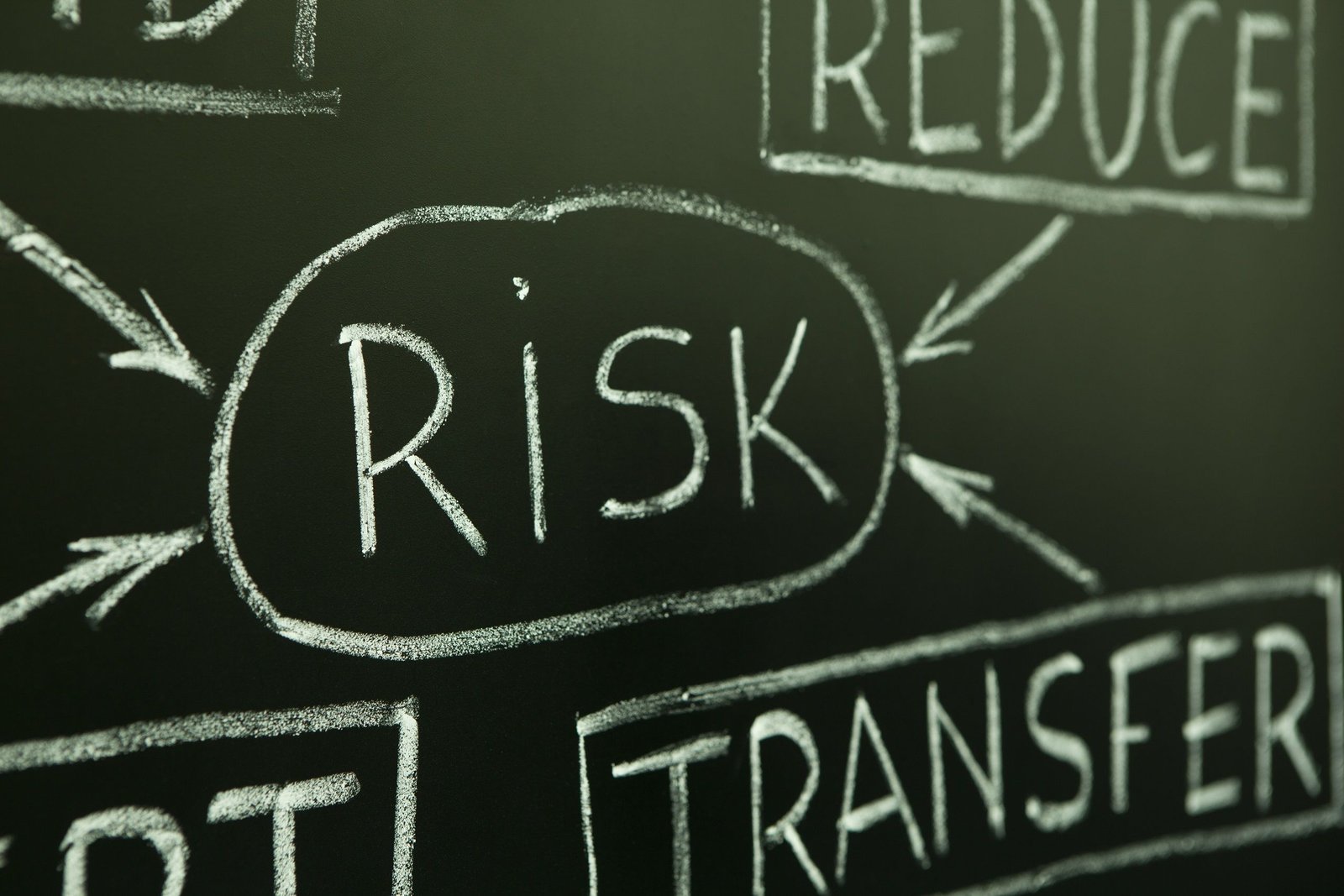
 management
Design or review the safety system the organisation runs, including reporting and risk.
 Continuity
Business continuity
Senior-level planning so a foreseeable disruption does not become a crisis.
Industries
Organisations we prepare
-
Aviation
An aircraft event draws media attention and can stop normal operations. Most serious events happen on or near an aerodrome, during take-off or landing.
-
Marine
A ferry or passenger vessel in trouble is a public event. People on board may not share a language. Care has to be planned for that.
-
Rail and ropeway
A collision, a derailment, a ropeway stoppage or a station evacuation puts passengers, staff and a public timetable in the same hour.
-
Ground transportation
Bus and coach companies face passenger incidents and network stoppages that daily dispatch was not designed to lead.
-
Hospitality
Guests do not know the building, and staff change shift. Roles that work on a factory floor will not run a night evacuation.
-
Public institutions
Municipalities are expected to protect people and to explain what they are doing while they do it.
-
Universities and schools
Campuses concentrate people who depend on the institution to know what to do, including the person who will speak to families.
-
Raw materials
Sites that extract, store or move commodities combine industrial hazards with public attention when something fails.
-
Insurance
An insurer can prepare its own crisis response here. An opinion on which a claim is decided is a different company.
-
Other industries
When the organisation does not sit in the sectors above, the work is still leadership and communication written for how that company runs.