
Industries
Ground transportation
Bus, coach and other ground transport companies face passenger incidents, depot accidents and network stoppages that their daily dispatch process was not designed to lead. The public and the authorities still expect a named response.
The operator
The response is built from the aviation model: a short alarm plan, trained duty managers, and a clear picture of the first hour.
Preparation for a transport emergency
Plans
Emergency and alarm plans
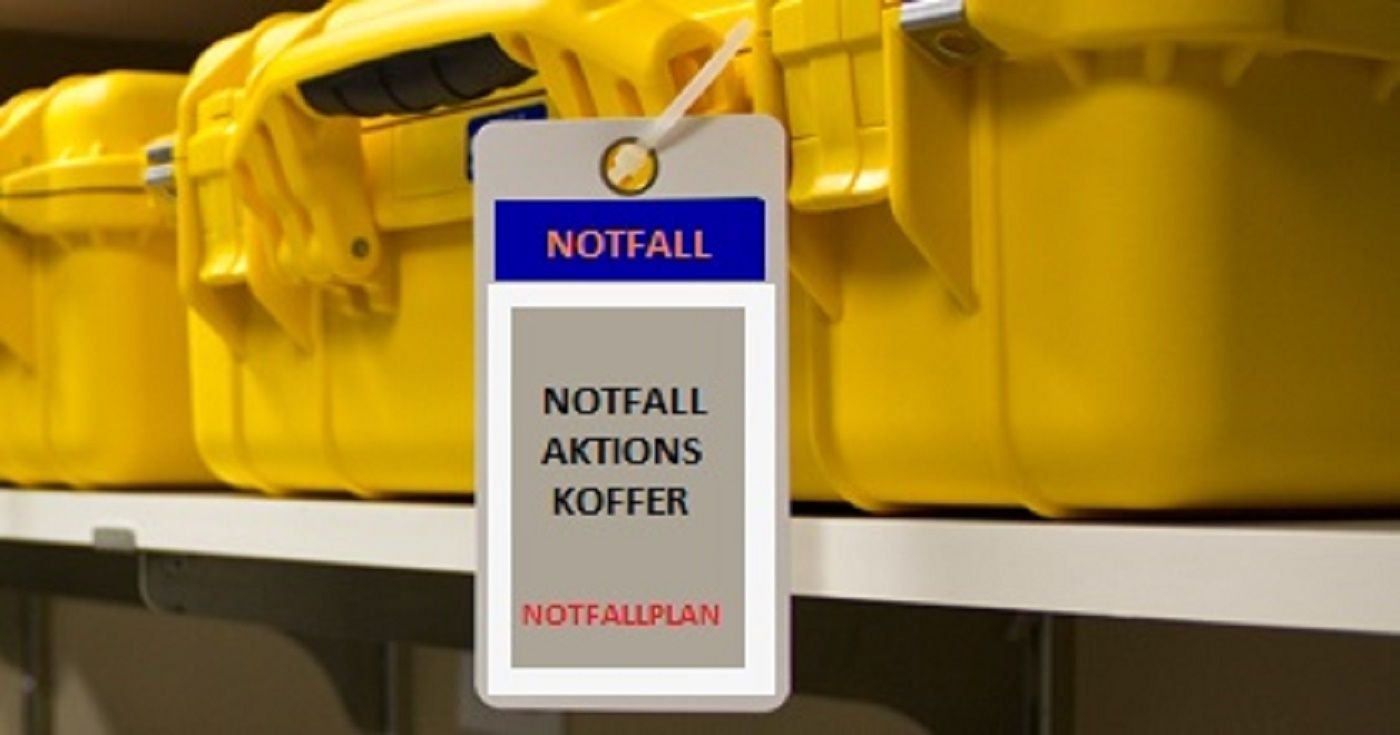
A short alarm plan, and duty managers trained to open it.
 Exercises
Emergency and crisis preparation
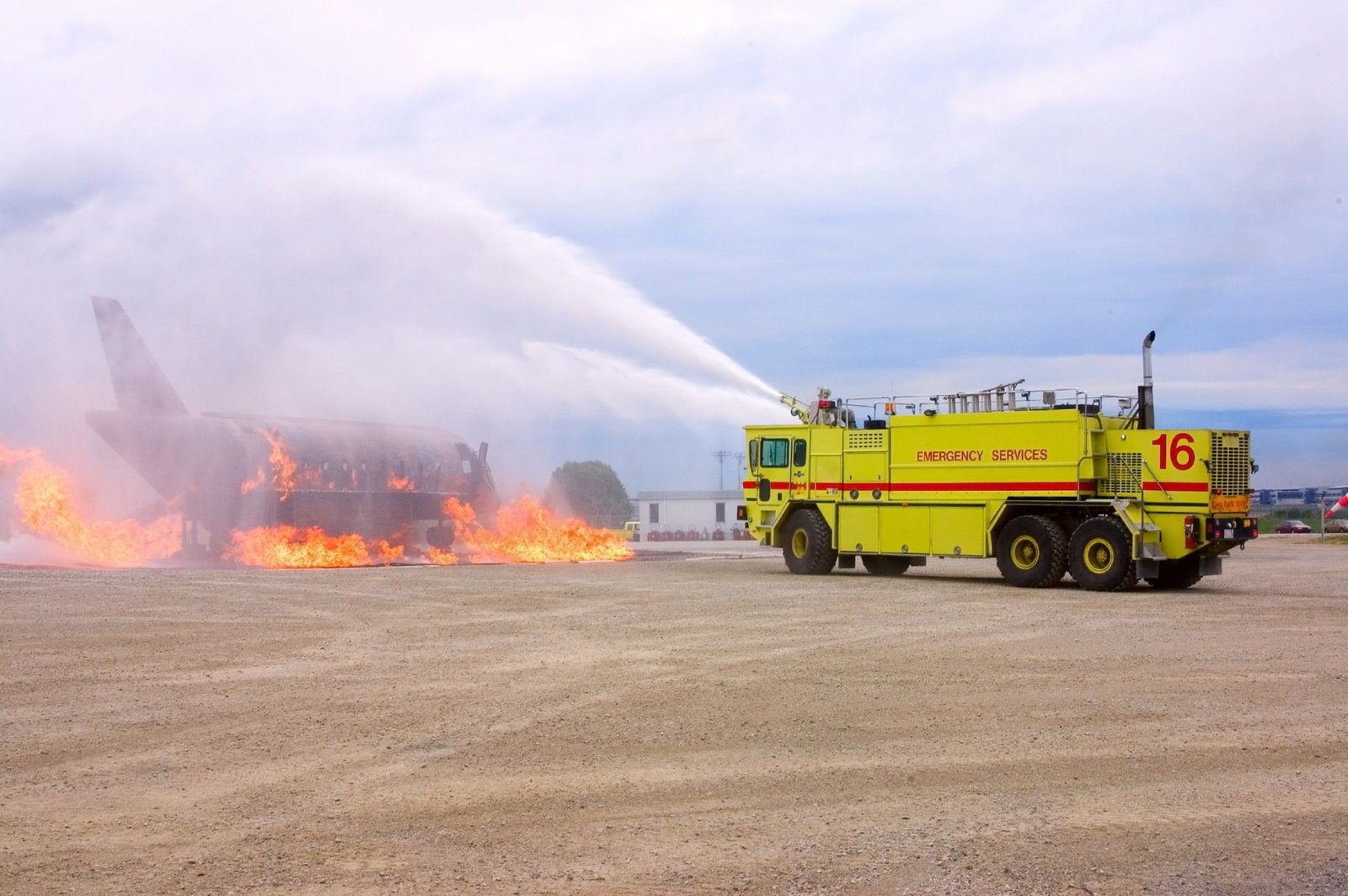
An exercise that asks who does what in the first hour.
 Safety
 management
Reporting and risk, so the next incident is not a surprise.
 Continuity
Business continuity
Which services stop, and which must move.
An assessment of your emergency arrangements
Describe how the fleet and the depots run. We will tell you what the plan, the people who will speak, and the exercise still need.
Contact AeroXpert ConsultingIndustries
Other sectors
-
Aviation
An aircraft event, of any scale, draws media attention and can stop normal operations. The aerodrome operator is the organisation everyone expects to act.
-
Marine
A ferry or passenger vessel in trouble is a public event. People on board may not share a language. Care has to be planned for that.
-
Rail and ropeway
A collision, a derailment, a ropeway stoppage or a station evacuation puts passengers, staff and a public timetable in the same hour.
-
Hospitality
Guests do not know the building, and staff change shift. A plan written for a factory floor will not run a night evacuation.
-
Public institutions
Municipalities are expected to protect people and to explain what they are doing while they do it.
-
Universities and schools
Campuses concentrate people who depend on the institution to know what to do, including the person who will speak to families.
-
Raw materials
Sites that extract, store or move commodities combine industrial hazards with public attention when something fails.
-
Insurance
An insurer can prepare its own crisis response here. An opinion on which a claim is decided is a different company.
-
Other industries
When the organisation does not sit in the sectors above, the work is still a plan written for how that company runs.